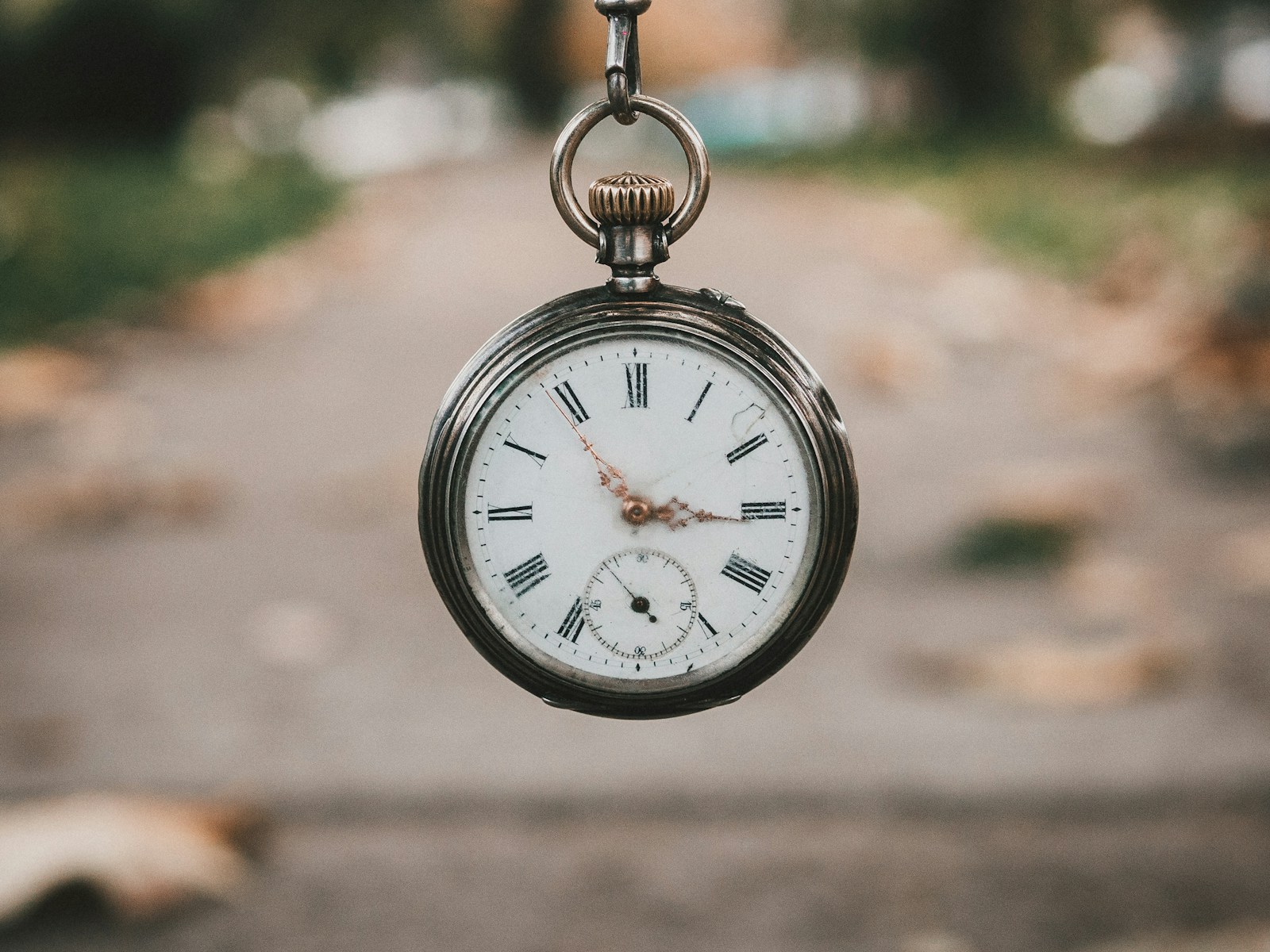
The word liquidity, in the financial sense, enters the English language somewhere in the late nineteenth century. The Oxford English Dictionary cites uses from the 1870s, in the context of banking. The earlier sense (a property of liquids, of clarity, of flow) had been with us since the fifteenth century, and it is worth noting that the financial sense did not displace the older sense. The two have lived alongside one another, in dictionaries and in conversation, for the better part of a hundred and fifty years.
This is, in our view, a feature and not a bug.
A borrowed metaphor
The financial sense of the word borrows, deliberately or otherwise, the qualities of the original. A market is liquid the way a river is: it moves, it accommodates, it responds. A position is illiquid the way a frozen pond is: solid, immobile, requiring time to thaw. The metaphor is, by the standards of financial vocabulary, unusually elegant. Most of our terminology comes from accounting, from law, or from the trading floor. Liquidity comes from poetry.
We have, over the years, come to believe that this matters. The Club's correspondence is conducted in language, and language carries inheritances. When an associate writes that a position requires "a careful approach to liquidity," the associate is, whether or not the associate intends to, invoking centuries of metaphor about water.
A note on misuse
The word has, in recent years, suffered. It has appeared in slogans. It has been used as a verb in ways that violate, in our view, the older grammar. ("To liquidity" something is not a phrase the Club is willing to entertain.) It has been compressed into hashtags and acronyms.
A river that is dammed eventually finds another path. A word that is overused eventually has its old meaning rediscovered, often by people who have never considered the matter and are surprised by the discovery. We are content to wait.
In the Club's sense
Within the Club, liquidity refers, primarily, to a quality of social life. A liquid evening is one that flows. The transitions between courses are smooth. The conversation moves between topics without jolt. There are no bottlenecks at the bar. There are no awkward gaps before the toast. The evening, in other words, behaves like a properly designed channel: it carries its cargo without spilling.
A river runs through it. A river has always run through it. We are pleased to be among the people still listening for the sound.